
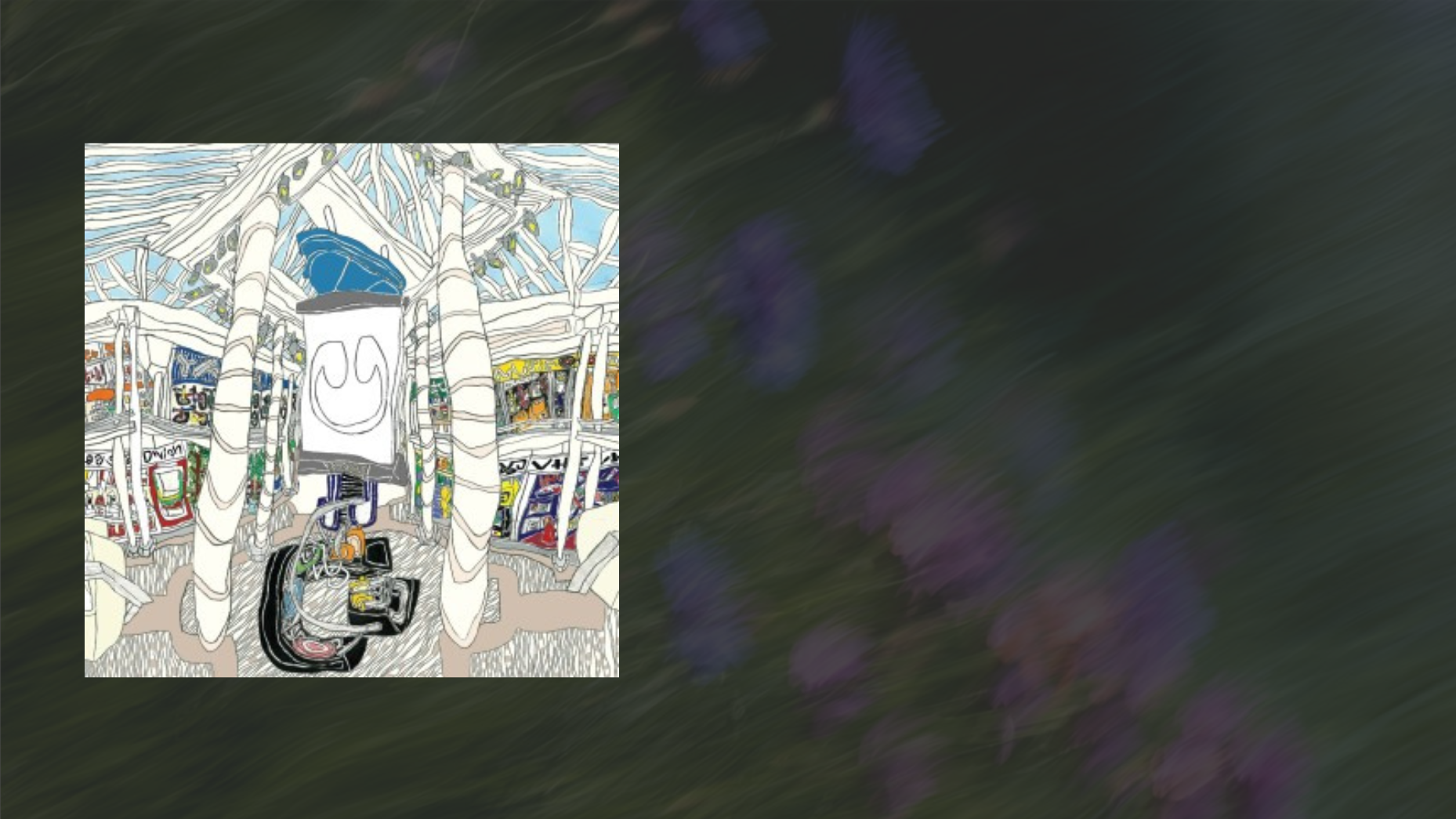
Where modern-pop shakes hands with nostalgia in the digital age lies the newest release of U by underscores.
With the release of her third studio album U, April Harper Grey—professionally known as underscores—solidifies her place next to famous hyperpop names such as Jane Remover, Oklou and the like.
Following her 2023 album Wallsocket, a rural-themed concept album, Grey returns to her roots with the eccentric and incredibly detailed production on each song of U.
Inspired by malls, airports, supermarkets and other heavily-populated fluorescent-lit commonplaces, U makes an attempt at addressing themes of love, fame and loss. Much like these commonplaces, the album perfectly blends simplicity with chaos through its extremely thought-out production, with the listener feeling the weight of intention in every aspect.
The album opens with “Tell Me (U Want It)”, the last of three singles in the album’s rollout. Arguably the lightest of the nine tracks, Grey eases the listener in with airy and compressed vocals paired with a simple guitar riff, one of the only clear references to analog instruments on the whole album and perhaps the perfect transition from Wallsocket into U’s otherwise purely electronic oasis. Throughout the song lies glitches with sharp synths and auto-tuned echoes, depicting a sort of war between analog and digital. Ironically, this battle begs the listener to tell Grey they want it: the digital ecosystem that is U.
Once having succumbed to it, the listener is met with an entirely maximalist second track: “Music”. Followed by “Hollywood Forever”, a relaxed exhale compared to the intensity it succeeds while still maintaining the overall energetic tone, ends in a subtle harmony repeating, “you don’t believe in me.” We see this gentle suggestion of pain interwoven throughout the album, desperately praising pleasure in multiple forms with an undertone that it’s all out of reach.
The fourth track, “The Peace”, is debated to be a homage to famous songwriter Imogen Heap in its choppy harmonized vocals. Illustrating a tightrope dynamic within a nearly-failed relationship, Grey reminisces on good times while admitting to codependence in an attempt to keep the connection afloat. Harshly transitioning into fifth track, “Innuendo (I Get U)”, the listener is thrown into deep bass and seduction, winking at the tension of a love/hate dynamic. The song follows the album’s pattern building into a climactic ending, in this case acting as a release from the tension that comes from a push-and-pull relationship.
All of the contradictory themes in the first half of the album result in the sixth track, “Lovefield”, theoretically a conclusion to the album, though not the ending. “Lovefield” too follows a similar structure as the rest of the album, though is far more stripped than any other track. Any hint at loss and confusion throughout the album culminates into this completely raw face-to-face with unattainable pleasures—in this case, love.
The pop-heavy and raunchy nature of U returns in track seven, “Do It”. A blatant example of early-2000s influences like Justin Timberlake, Grey introduces a dreamy R&B bridge into an otherwise electro-pop dance track. In “Do It”, Grey takes the listener back to the beginning of the digital age while fully leaning into her aversion to love, perhaps a result of the song it follows.
Track eight, “Bodyfeeling”, reintroduces the lightheartedness from the opening track. Musically, the song feels like a pure love song while the lyrics convey the opposite, once again pointing to the conflicted nature of the album.
The collection concludes with “Wish U Well”, where the listener is delivered from the electronic oasis with the return of an acoustic riff. Lyrically, the song acts as a final goodbye to the relationship it explores. Like the others, the song hits a climactic peak, but ultimately fades into a tender ending. The glitch effects that introduced the album return the listener to the war between analog and digital, concluding with no clear winner.
Receiving universal acclaim, U is quickly propelling Grey’s career. Finn Cliff Hodges from The Quietus writes that the album, “certainly offers a warm hug to those who fondly remember the iTunes era and pop music of the 2000s and 2010s whilst craving it with a burst of nostalgia.” For those raised in the digital age, nostalgia doesn’t look the same as it does for generations prior. U finally satiates the longing for music that blends the beginning of the electronic era with current influences. With U, underscores beautifully merges fantasy with reality, pleasure with lack, and nostalgia with modernity.
Nostalgia in the Digital Age: U by underscores